
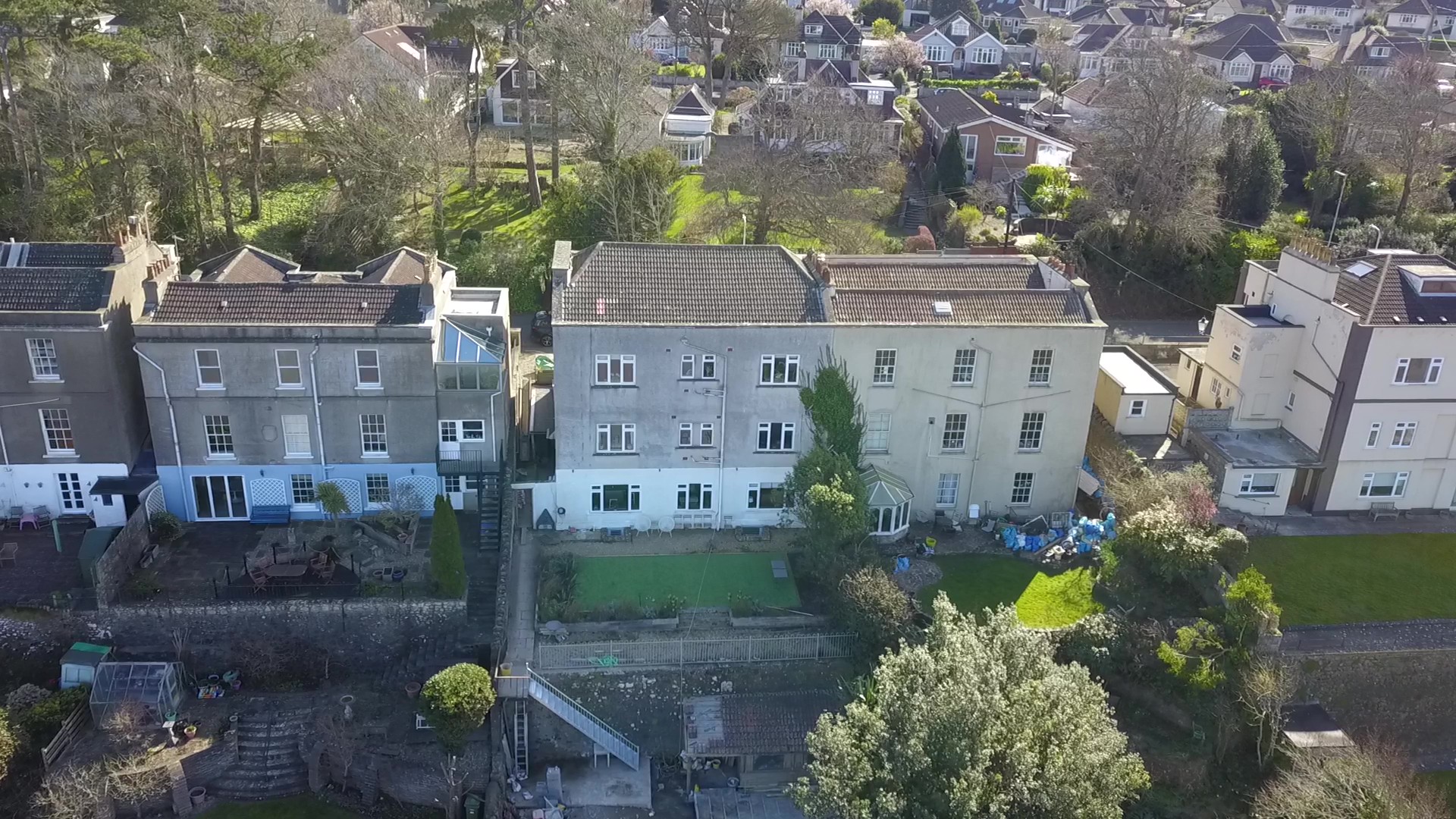
The approved development included the formation of a new loft conversion apartment with a rear dormer and balcony, new rooflights to the front elevation, upgraded entrance detailing, replacement windows, improved front elevation appearance, cycle parking provision, and an EV charging point.
Projects within conservation areas require careful planning consideration because local authorities must assess not only the practicality of the development itself, but also its impact on the wider streetscape, architectural character, and historic significance of the surrounding area. Loft conversions in particular can become sensitive planning matters where roof alterations, dormers, balconies, or new windows alter the appearance of existing buildings.
In this case, the proposal sought not only to create additional residential accommodation within the existing roof space, but also to improve the overall appearance and architectural quality of the building. The approved works included replacing existing white uPVC casement windows with more appropriate white uPVC sash windows, updating Georgian-style entrance doors from 3-panel to 6-panel arrangements, and replacing dated porch features with new wrought iron-effect supporting posts and a zinc-effect canopy.
This approach is often important within conservation areas because well-designed external alterations can help reinforce the historic character and visual quality of buildings even where entirely traditional materials are not always practical or financially viable.
The planning approval also demonstrates how sustainable transport and environmental considerations are increasingly becoming part of residential planning applications. The approved scheme included secure cycle parking for six bicycles and installation of an electric vehicle charging point. Local authorities are placing growing emphasis on sustainable transport infrastructure, particularly in town centre and urban residential locations.
As part of the planning process, a number of specialist supporting documents were prepared and submitted, including:
- A Design and Access Statement
- A Heritage Statement
- An Energy Efficiency and Sustainability Statement
- A Bat Survey Report prepared by Smart Ecology
Ecological considerations are becoming increasingly important for residential planning applications, particularly loft conversions where roof spaces can potentially affect bat roosting habitats. Early ecological assessment and consultant coordination can often help avoid delays during determination.
The planning approval also included detailed conditions relating to window specifications and material quality to ensure the final development preserves the architectural integrity of the building and wider conservation area setting. These types of conditions are common within conservation areas where planning officers and conservation officers seek greater control over visual detailing and finishing materials.
One of the key benefits of loft conversion projects is the ability to create additional housing accommodation without significantly increasing the footprint of development within urban areas. By making more efficient use of existing buildings, loft conversions can provide sustainable forms of residential development while minimising pressure on undeveloped land.
At Celona Consulting Ltd, we regularly assist homeowners, developers, and landlords with:
- Loft conversion planning applications
- Conservation area planning approvals
- Residential flat conversions
- Heritage-sensitive architectural design
- Householder planning applications
- Planning drawings and technical packages
- Design and Access Statements
- Heritage Statements
- Building Regulations packages
- Residential redevelopment and refurbishment projects
Projects within conservation areas require careful attention to detail from the earliest design stages. Successful planning outcomes often depend on understanding local planning policy, architectural character, heritage considerations, ecological constraints, and technical design requirements simultaneously.
The successful approval at Wellington Terrace demonstrates how carefully considered architectural improvements and well-designed loft conversions can both enhance existing buildings and provide valuable additional housing within conservation-sensitive locations.
If you require assistance with loft conversion planning applications, conservation area approvals, residential redevelopment, or architectural design in Clevedon or North Somerset, you can learn more about our services at www.celona-consulting.co.uk