
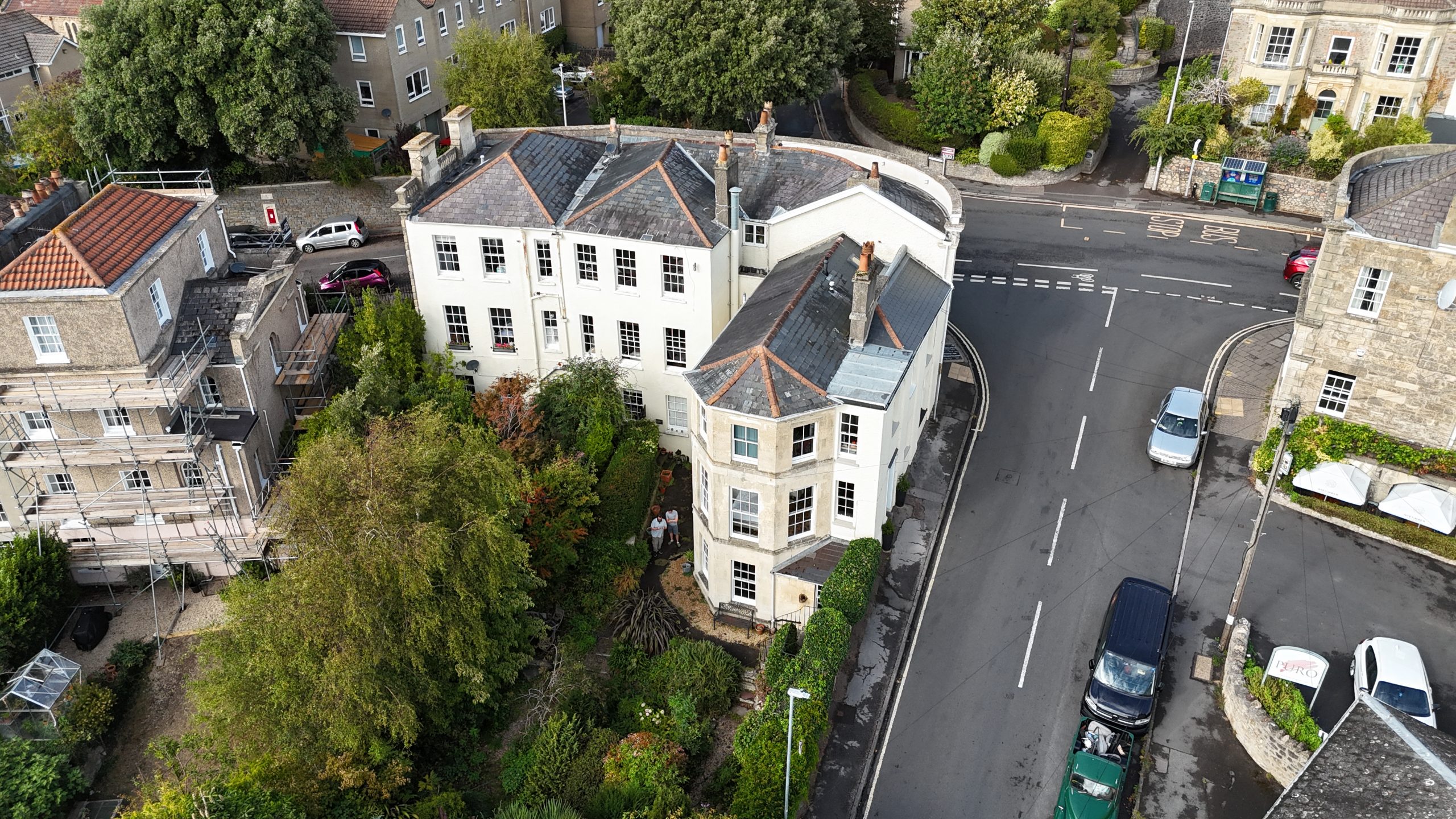
If you are considering replacing windows in a listed building or conservation area, obtaining the correct permissions is essential. At a recent Grade II listed property project in Clevedon, Celona Consulting Ltd successfully secured Listed Building Consent for replacement timber sash windows after unauthorised uPVC installations resulted in a conservation enforcement case. The project required detailed heritage analysis, bespoke joinery specifications, and careful conservation area planning strategy.
The property at 51A Copse Road is a Grade II listed maisonette located at the junction of Copse Road and Hill Road within the Clevedon Conservation Area. The original historic timber sash windows had previously been removed and replaced with modern uPVC units following advice from a window company. Unfortunately, because the building is listed, the works required Listed Building Consent before installation.
Following the unauthorised installation of the plastic windows, the local authority opened an enforcement case and retrospective Listed Building Consent application ref. 23/P/1231/LBC was refused.
The council’s conservation officer concluded that the uPVC replacements caused harm to both the listed building and the wider Clevedon Conservation Area. Particular concern was raised regarding:
- The use of bulky plastic window sections
- Incorrect glazing bar arrangements
- Loss of historic detailing
- Damage to the building’s architectural rhythm
- Use of inappropriate 6-over-6 window patterns where original 2-over-2 sash arrangements historically existed
The refusal demonstrated how important original window proportions, materials, and detailing are when dealing with heritage buildings and conservation area properties.
At Celona Consulting Ltd, we were appointed to develop a conservation-led solution capable of resolving the enforcement concerns while also improving the long-term performance and sustainability of the property.
A significant amount of research and technical detailing was undertaken to ensure the replacement windows accurately reflected the historic character of the building. Detailed surveys confirmed that the property historically contained a mixture of 2-over-2 and 6-over-6 timber sliding sash windows.
The approved scheme reinstated the historically correct window arrangements using bespoke painted timber sash windows carefully designed to replicate traditional nineteenth-century joinery profiles. The specification included:
- Slender glazing bars
- Slim meeting rails
- Traditional timber sections
- Heritage putty glazing details
- Period-appropriate ironmongery
- Breathable microporous paint finishes
- Correct sash proportions based on historic evidence
Importantly, the proposal also incorporated slimline double glazing in a conservation-sensitive manner. The glazing units were designed to be visually indistinguishable from traditional single glazing when viewed externally, while significantly improving thermal performance and occupant comfort.
One of the key planning arguments presented within the application was that heritage conservation and energy efficiency do not need to conflict. The approved timber sash windows deliver substantially improved insulation performance compared to traditional single glazing while still preserving the significance of the listed building.
The application also demonstrated the long-term sustainability advantages of timber over uPVC. Unlike plastic windows, properly maintained timber sash windows can be repaired, repainted, and overhauled for decades without requiring wholesale replacement.
As part of the planning strategy, significant emphasis was placed on the architectural heritage value of the property and the wider contribution the windows make to the conservation area streetscape. The reinstatement of the historically correct sash arrangements helped restore the building’s classical symmetry and original visual balance.
Following submission of the revised heritage-led proposal, Listed Building Consent was successfully granted and the associated enforcement case was deferred to allow installation of the approved timber sash windows.
Projects like this demonstrate how specialist architectural and heritage advice can often resolve difficult enforcement situations and achieve positive planning outcomes even after unauthorised works have taken place.
Many homeowners are unaware that replacing windows in listed buildings or conservation areas may require:
- Listed Building Consent
- Planning Permission
- Conservation Area Consent considerations
- Heritage Statements
- Detailed joinery specifications
- Historic window pattern analysis
Failure to obtain the correct permissions can potentially lead to formal enforcement action, retrospective applications, expensive remedial works, or legal complications when selling a property.
At Celona Consulting Ltd, we regularly assist clients with:
- Listed Building Consent applications
- Conservation area planning applications
- Timber sash window specifications
- Heritage Statements
- Enforcement resolution strategies
- Retrospective planning applications
- Historic building alterations
- Conservation-led architectural design
- Window replacement strategies for listed buildings
- Planning applications within North Somerset
This Clevedon project is a strong example of how detailed heritage analysis, correct architectural detailing, and a conservation-led planning strategy can successfully resolve complex listed building issues while improving the long-term quality and sustainability of historic homes.
If you require advice on listed building consent, conservation area planning approvals, timber sash windows, or heritage-sensitive architectural design in Clevedon or North Somerset, you can learn more about our services at www.celona-consulting.co.uk.